Feeling healthy doesn’t always mean everything is perfect beneath the surface.
Many health conditions can develop without obvious symptoms, which is why regular health screenings and check-ups can be an important part of looking after your health. Screening can help identify potential risks early, monitor changes over time and give you a clearer picture of your overall wellbeing.
Your healthcare needs also change as you get older. The checks that are appropriate in your 20s may not be the same ones recommended in your 40s, 50s or beyond.

Your 20s: Building Healthy Habits
Your 20s are a good time to establish a relationship with your healthcare provider and start understanding your personal health risks.
Depending on your individual circumstances, this may include:
- Routine blood pressure checks
- Weight and general health assessments
- Sexual and reproductive health checks
- Screening for sexually transmitted infections where appropriate
- Mental wellbeing discussions
- Lifestyle assessments, including nutrition, exercise, alcohol and smoking
- Relevant vaccinations
This is also an opportunity to discuss your family medical history with your doctor. Knowing whether certain conditions run in your family can help identify areas that may require closer attention as you get older.
Your 30s: Keep Checking In
As life becomes busier with work, family and other responsibilities, routine health checks can easily move down the priority list.
However, continuing with regular assessments can help you stay aware of changes in your health.
Depending on your age, sex, medical history and risk factors, your doctor may recommend monitoring:
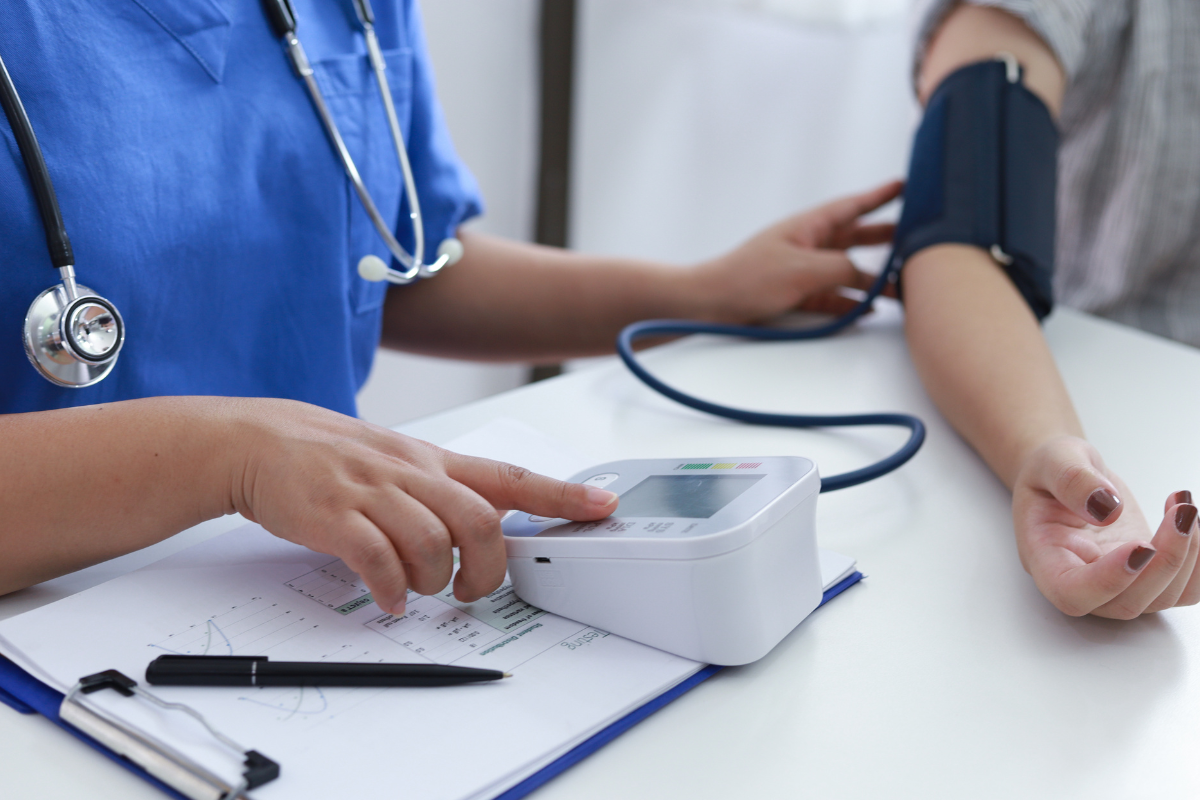
- Blood pressure
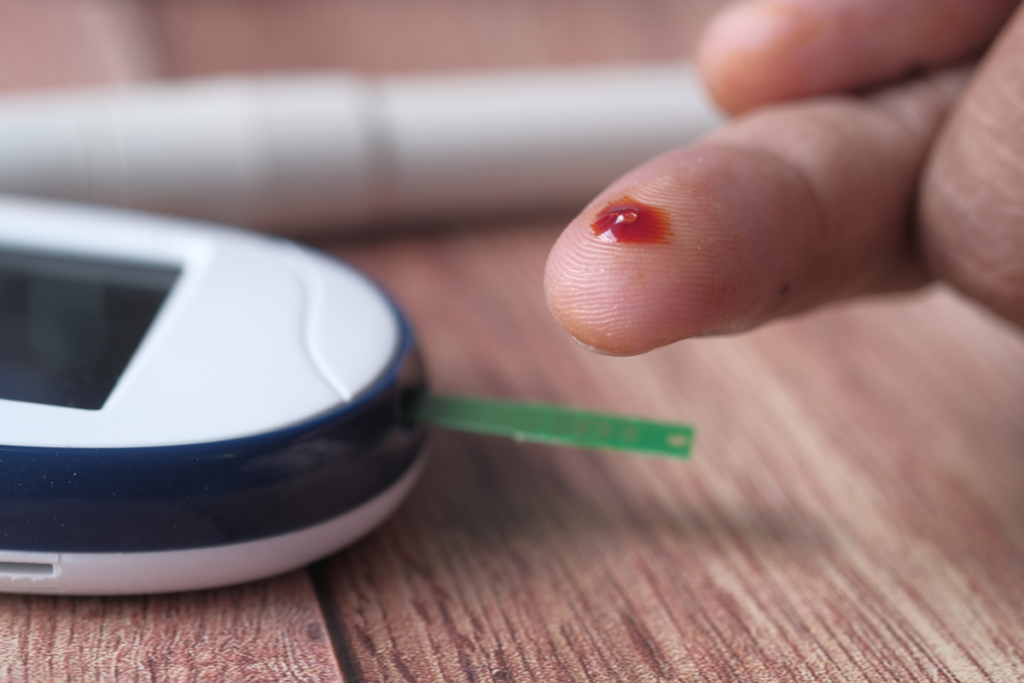
- Blood glucose
- Cholesterol
- Weight and lifestyle factors
- Reproductive and sexual health
- Mental wellbeing
Your doctor may also recommend additional screening based on your family history or individual risk factors.
Your 40s: Don’t Ignore the Numbers
For many people, the 40s are a time when certain health risks become increasingly important to monitor.
Conditions such as high blood pressure, high cholesterol and diabetes can develop without obvious symptoms. Regular checks can help identify changes that may otherwise go unnoticed.
Depending on your individual risk profile, your doctor may recommend appropriate blood tests or other screening.
For women, age-appropriate breast and cervical health screening should also remain an important part of preventative healthcare.
For men, discussions about prostate health and other age-appropriate screening may become increasingly relevant.
The important thing is that screening should be personalised rather than based on age alone.

Your 50s and Beyond: Prevention Remains Important
As we get older, regular health assessments become increasingly valuable.
Your doctor may recommend monitoring areas such as:
- Blood pressure and cardiovascular health
- Blood glucose and diabetes risk
- Cholesterol
- Kidney function
- Bone health
- Vision and hearing
- Cancer screening where appropriate
- Medication and lifestyle factors
Your vaccination needs may also change over time, making it worthwhile to discuss whether you are up to date with recommended vaccines.
Screening Isn’t One-Size-Fits-All
There is no single checklist that applies to everyone.
Your recommended health screenings can depend on factors including your age, sex, family history, lifestyle, existing medical conditions and personal risk factors.
Some screenings may need to happen regularly, while others may only be recommended at particular ages or when certain risk factors are present.
This is why speaking to a healthcare professional is important. They can help determine which checks are appropriate for you and how frequently you may need them.
Why Early Detection Matters
One of the key benefits of screening is that it can identify certain health concerns before symptoms appear.
Early detection doesn’t guarantee that a condition can be prevented or cured, but identifying a problem sooner can provide an opportunity to investigate it, monitor it and discuss appropriate treatment or lifestyle changes.
It can also give you a better understanding of your health and help you make informed decisions about your wellbeing.
Don’t Wait Until Something Feels Wrong
Regular health screenings aren’t about assuming something is wrong.
They’re about knowing where you stand.
If you haven’t had a health check recently, or you’re unsure which screenings may be appropriate for your age and circumstances, speak to your doctor.
At Victoria Medical Centre, our team can discuss your health, concerns and individual risk factors and advise you on appropriate next steps.
Victoria Medical Centre
Open 7 days a week.
Walk-ins welcome.
Medical aid and cash patients are welcome.
Your health deserves attention at every age.